Staircase design transforms functional necessity into architectural focal points that define your home’s character and flow.
The best staircase designs balance safety and building codes with aesthetic appeal, creating statements that work beautifully whether your style leans modern minimalist or classic traditional.
When stairs are thoughtfully designed, they become more than circulation paths, they’re sculptural elements that enhance daily life while adding lasting value.
These staircase designs work because they consider spatial constraints, budget realities, and design preferences from floating treads to grand curves.
Whether you’re building new, renovating existing stairs, or simply gathering inspiration, each design approach addresses different needs like space-saving for small homes, dramatic statements for grand entryways, or budget-friendly updates that refresh tired staircases without complete reconstruction.
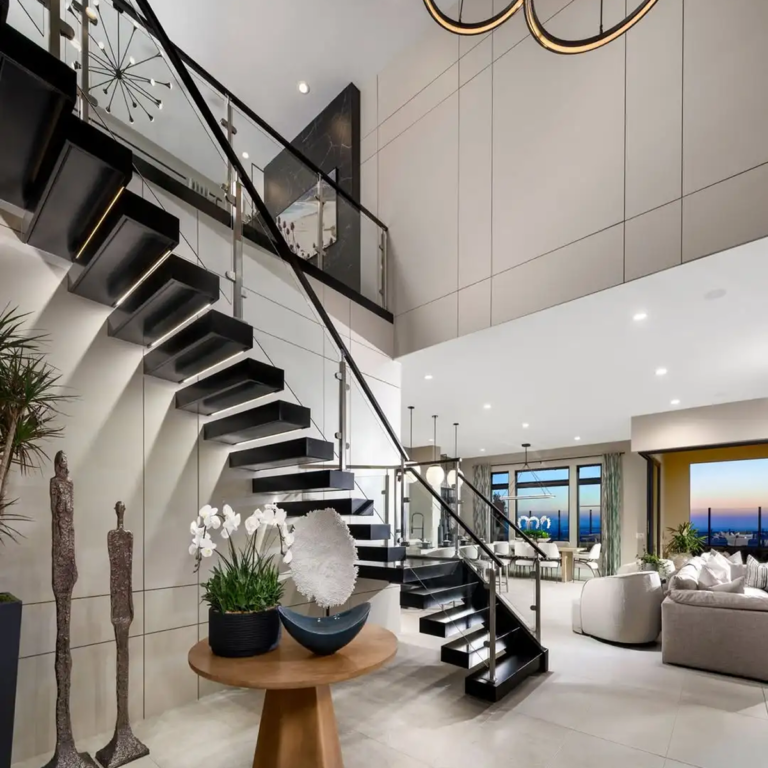
1. Modern Floating Staircas
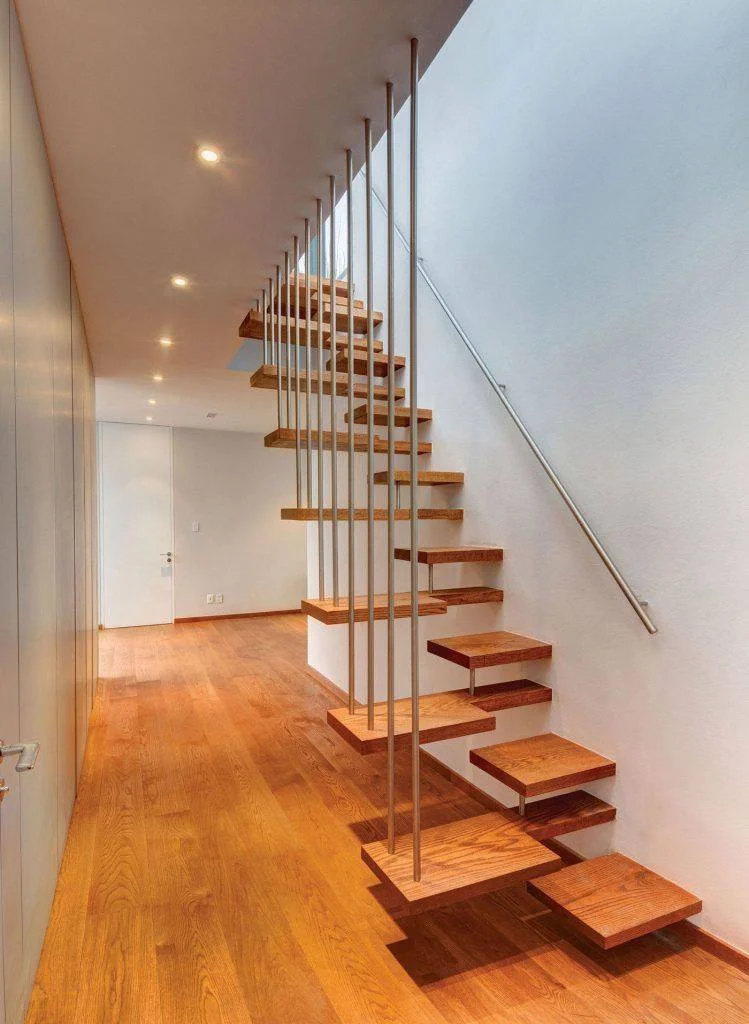
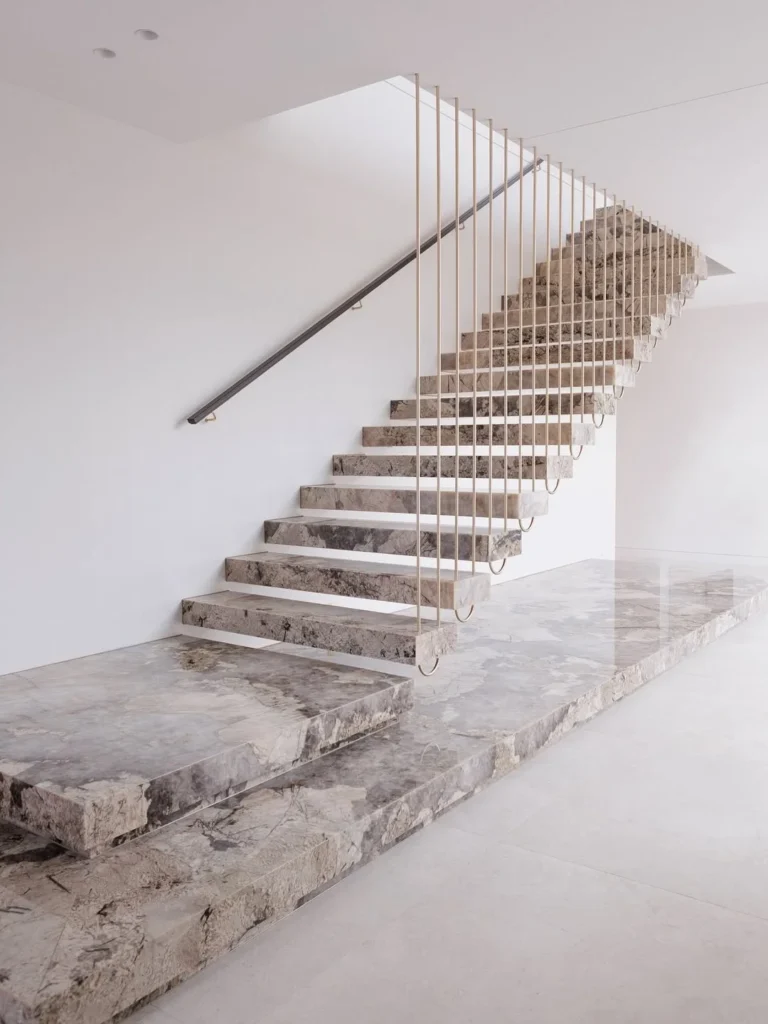
A modern floating staircase features treads attached to walls without visible support creating dramatic, gravity-defying architectural statements.
The minimalist design maximizes visual space while the seemingly suspended steps add contemporary elegance perfect for open-concept homes prioritizing clean lines and uncluttered aesthetics.

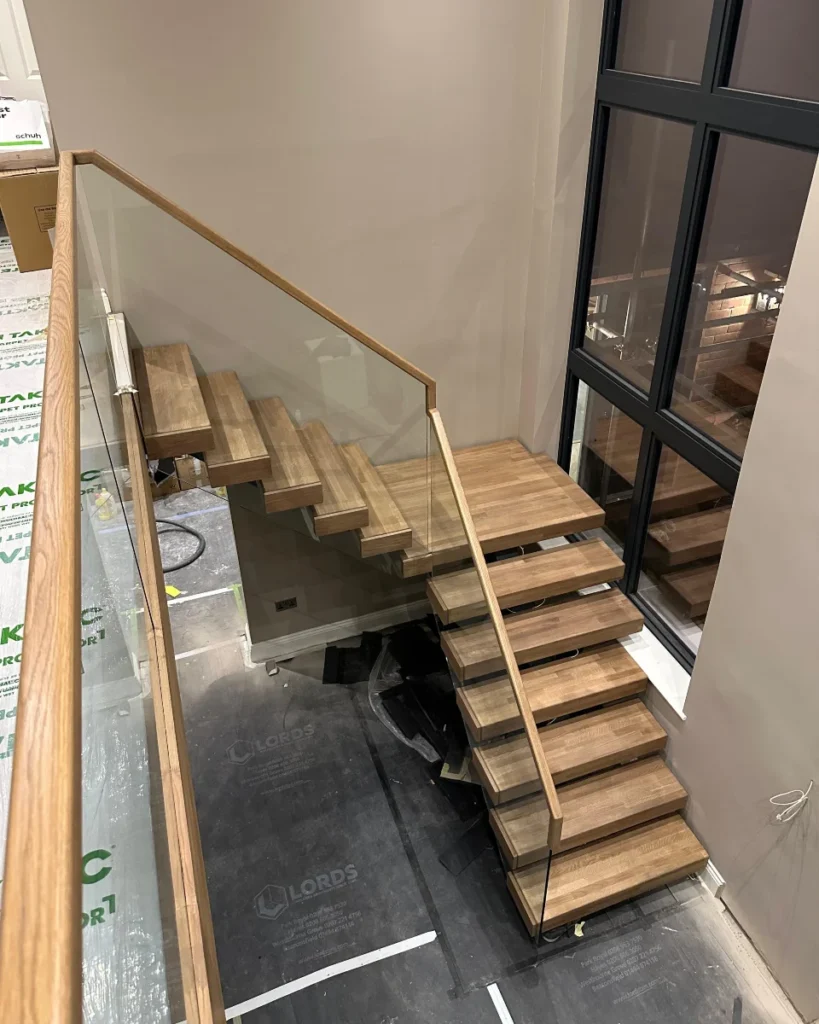
2. Wooden Staircase with Glass Railing
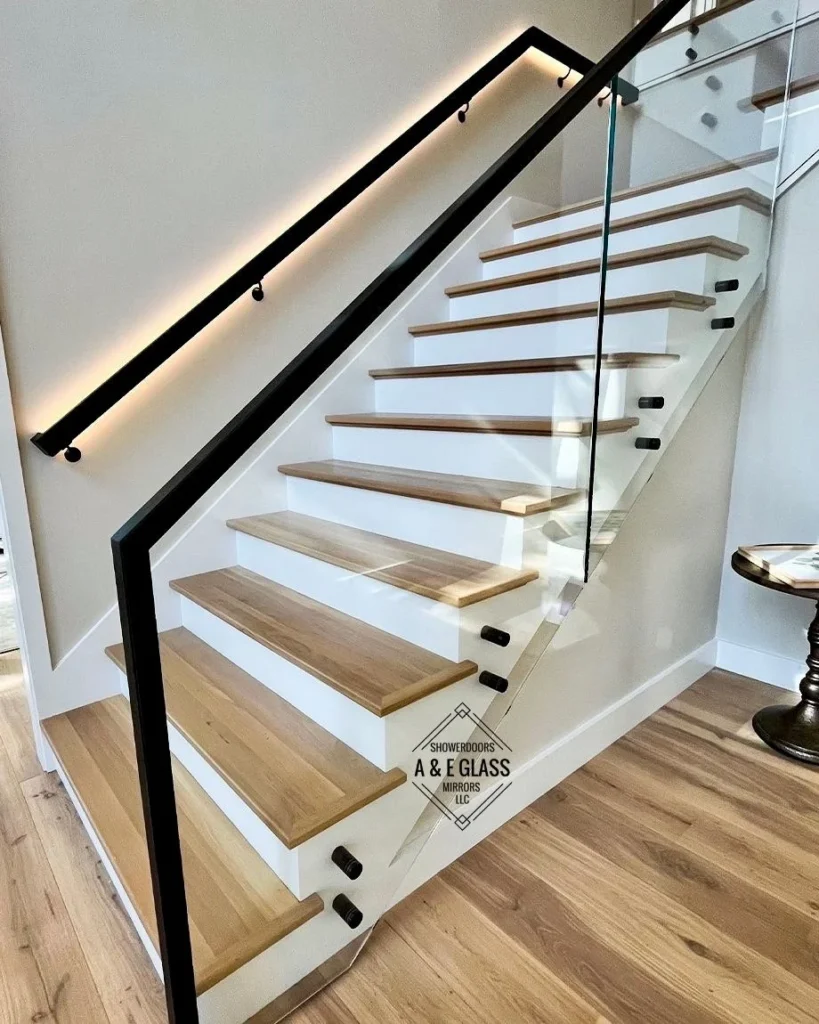
A wooden staircase with glass railing combines natural warmth of wood treads with transparent barriers maintaining sightlines and light flow.
The balanced approach preserves open feeling while meeting safety requirements, perfect for homes wanting traditional wood beauty without visual heaviness of solid railings. For more on incorporating natural materials into your design, check out Rustic Bedroom Decor Ideas.

3. Minimalist Concrete Staircase
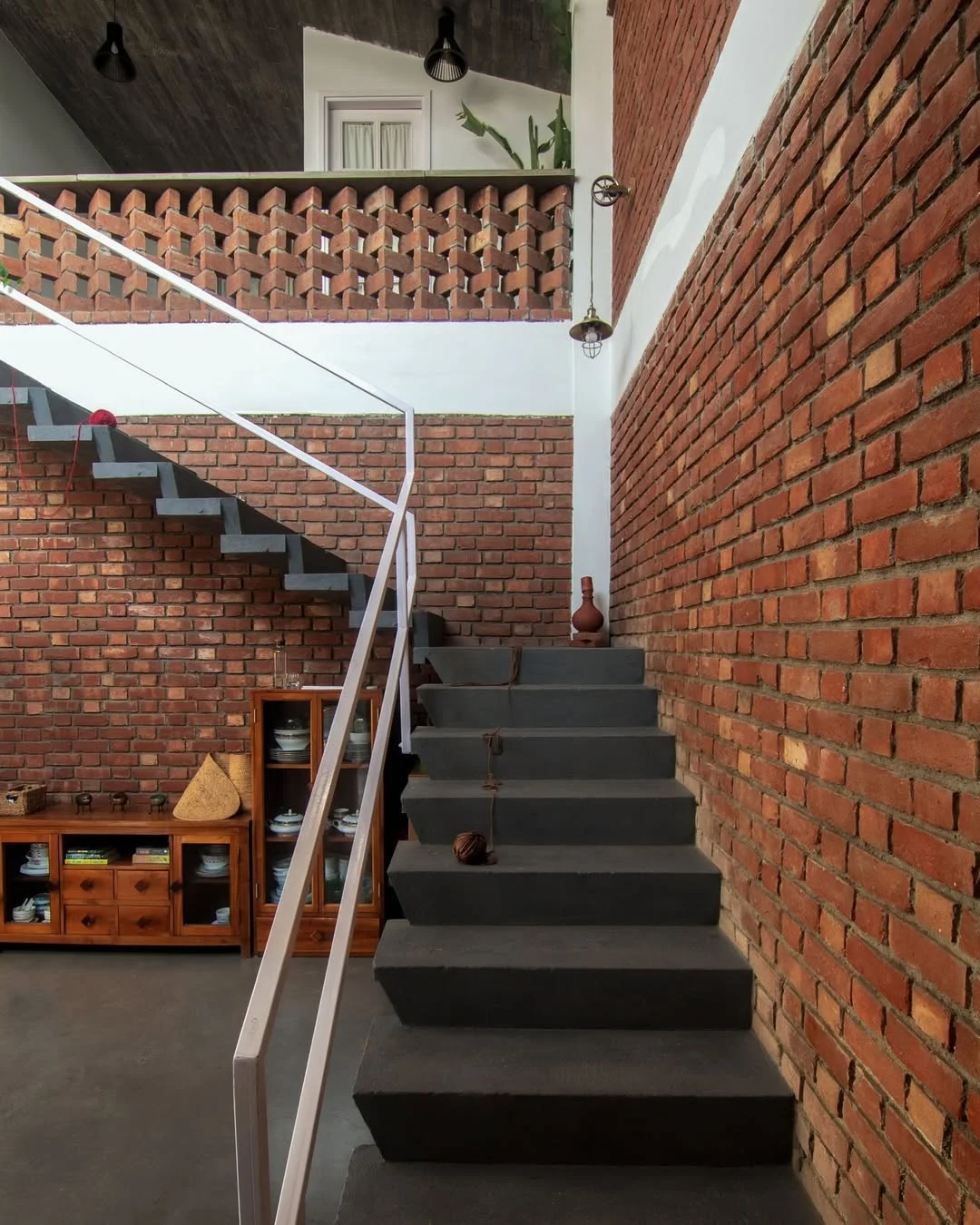
A minimalist concrete staircase uses poured or precast concrete creating industrial-chic statements with raw material beauty and clean lines.
The monolithic approach suits modern and industrial interiors while concrete’s durability and low maintenance make these staircases both stylish and practical long-term investments.

4. U-Shaped Staircase Design
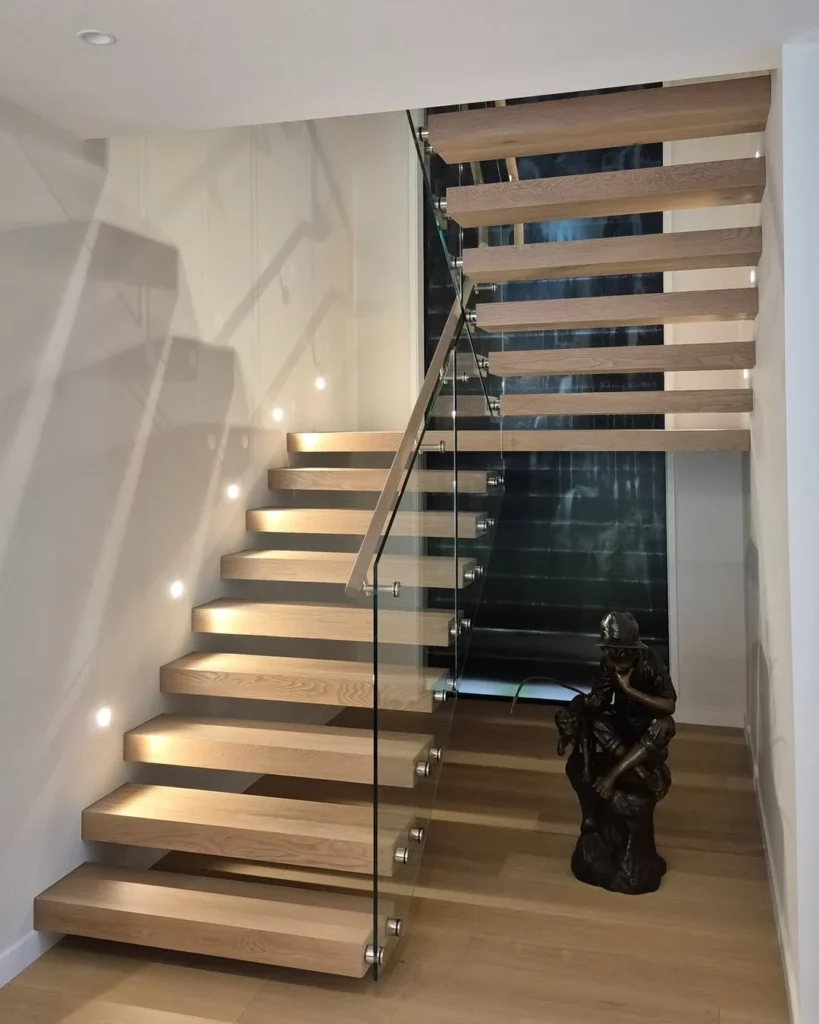
A U-shaped staircase design features two parallel flights connected by landing creating compact footprint perfect for traditional homes.
The classic configuration efficiently uses space while the mid-point landing provides rest breaks and the turn creates natural division between floor levels.

5. L-Shaped Staircase Ideas
L-shaped staircase ideas incorporate 90-degree turns fitting neatly into corners and maximizing square footage efficiency.
The practical layout works beautifully in various home sizes while the landing at the turn provides architectural interest and functional resting point during ascent.

6. Spiral Staircase for Small Homes
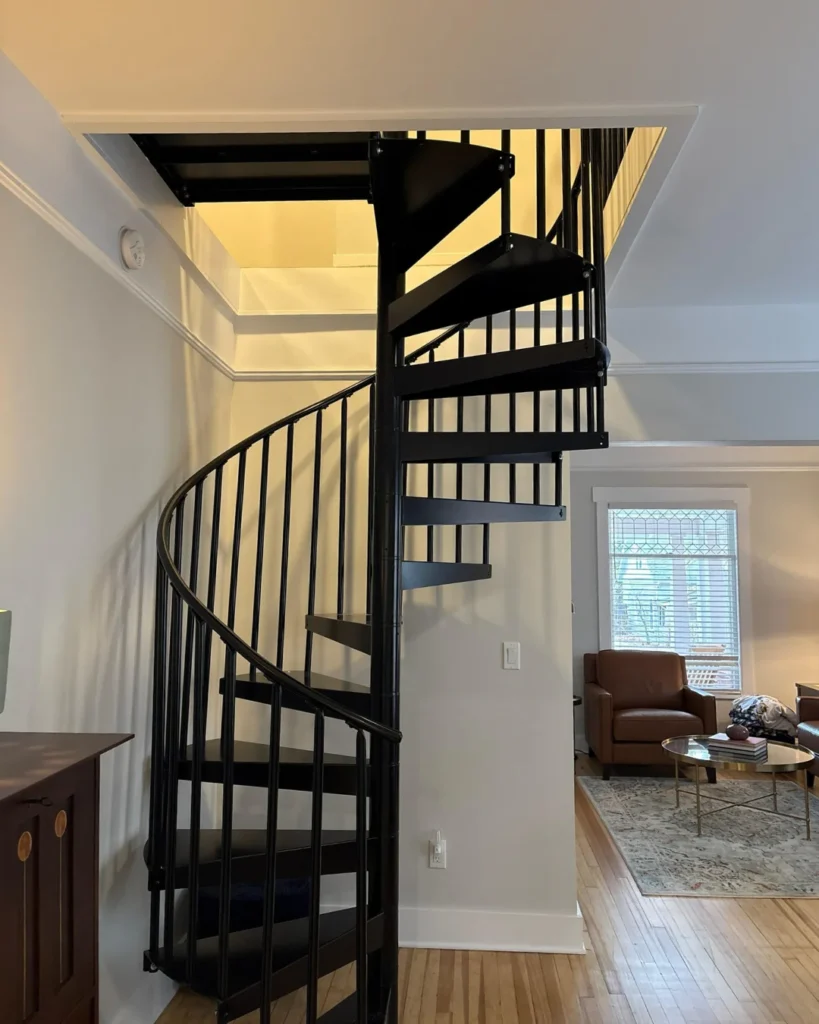
A spiral staircase for small homes wraps around central pole minimizing floor space while providing vertical circulation in tight footprints.
The space-efficient design works perfectly where traditional staircases won’t fit while the sculptural form adds architectural drama despite compact dimensions.

7. Open Riser Staircase
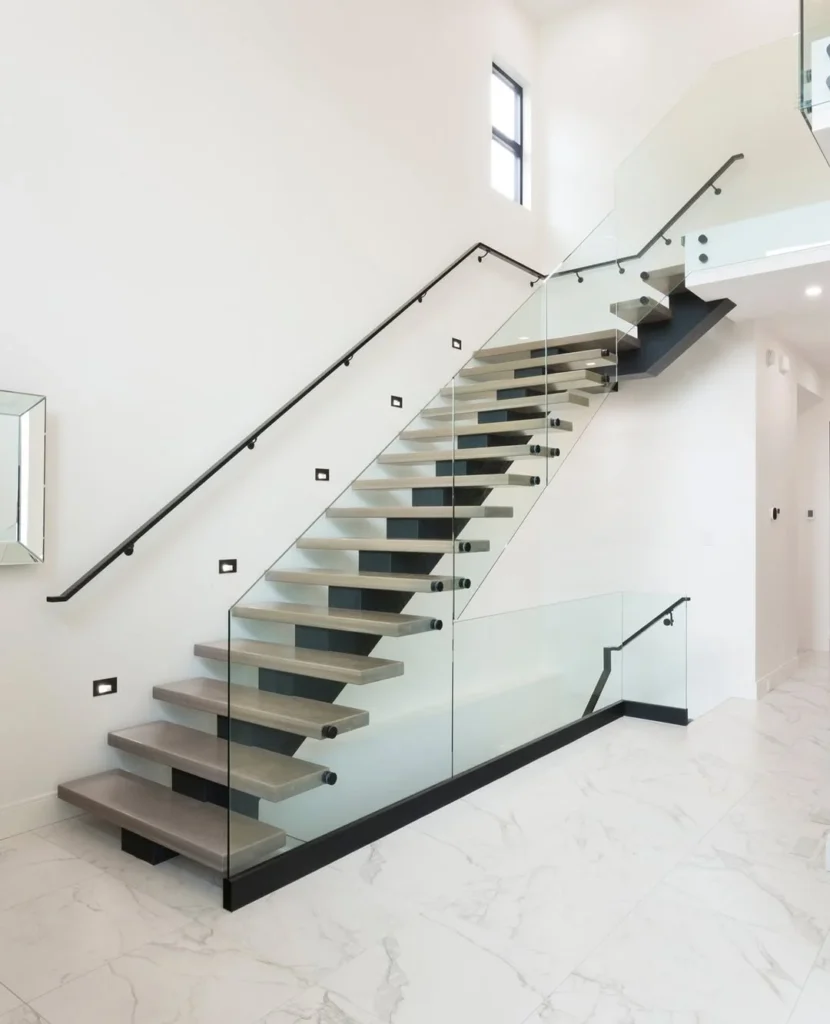
An open riser staircase eliminates solid backs between steps allowing light and sightlines to flow through creating airy, modern aesthetics.
The transparent design makes spaces feel larger while the contemporary look suits minimalist and industrial interiors prioritizing openness over traditional enclosed staircase construction. For more minimalist design ideas, visit Minimalist Small Bedroom Ideas.

Decor Pieces That Make a Difference
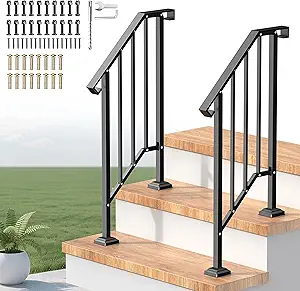

Outdoor Handrails for Steps, Stair Railing Kit for Concrete & Porch Steps, Adjustable Black Iron Hand Rail for Seniors, Easy Installation, Retro Arch Design (2 Pack-2 Steps)
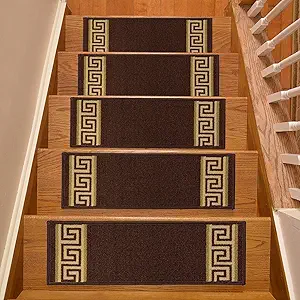

Stair Treads for Wooden Steps Indoor 8.5” x 26” Slip Resistant Machine Washable Staircase Carpet Mat, Safe for Elders, Kids and Pets Meander Border Design Brown Color, Set of 15
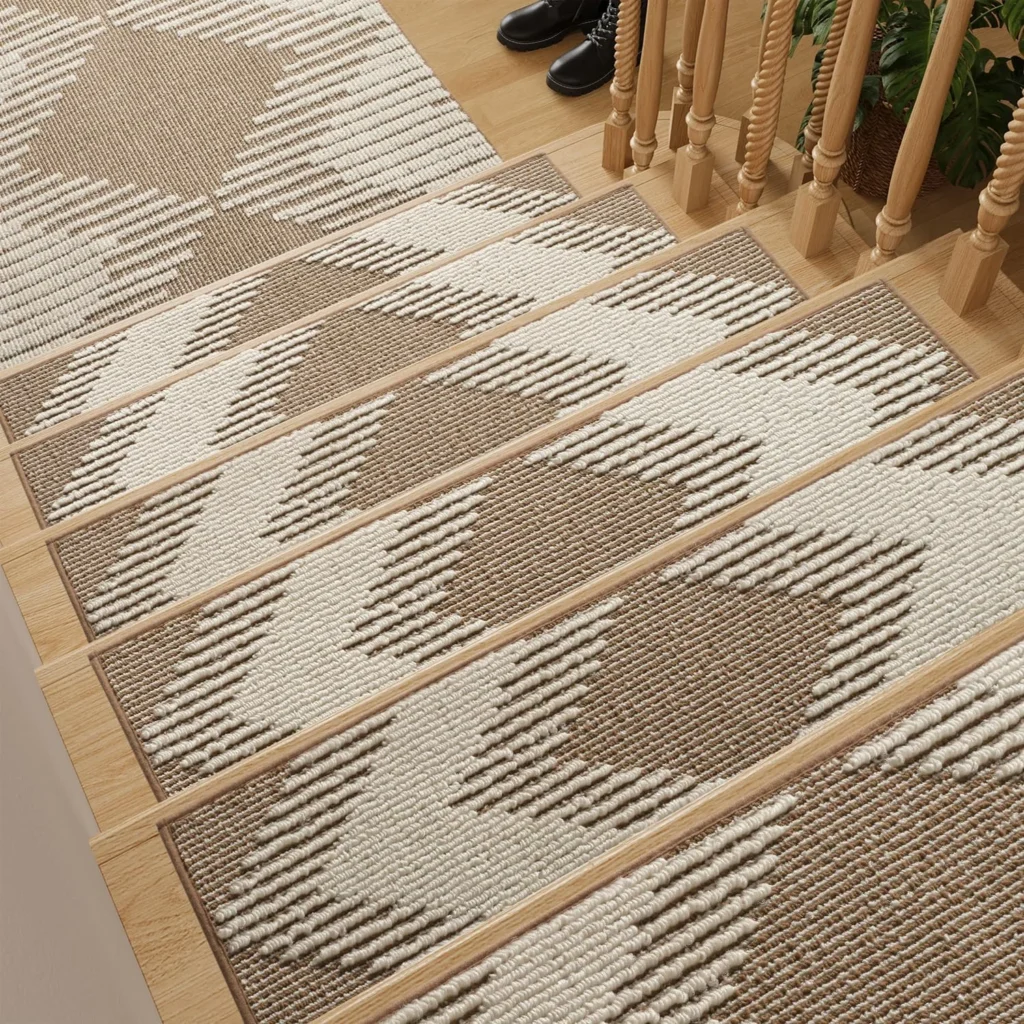

PADOOR 15PC Stair-Treads Non Slip, 3D Peel and Stick Stair Treads for Wooden Steps Indoor, Stair-Carpet Treads Washable Reusable Adhesive Stair-Runner Rugs for Kids and Dogs 8″x30″ Brown
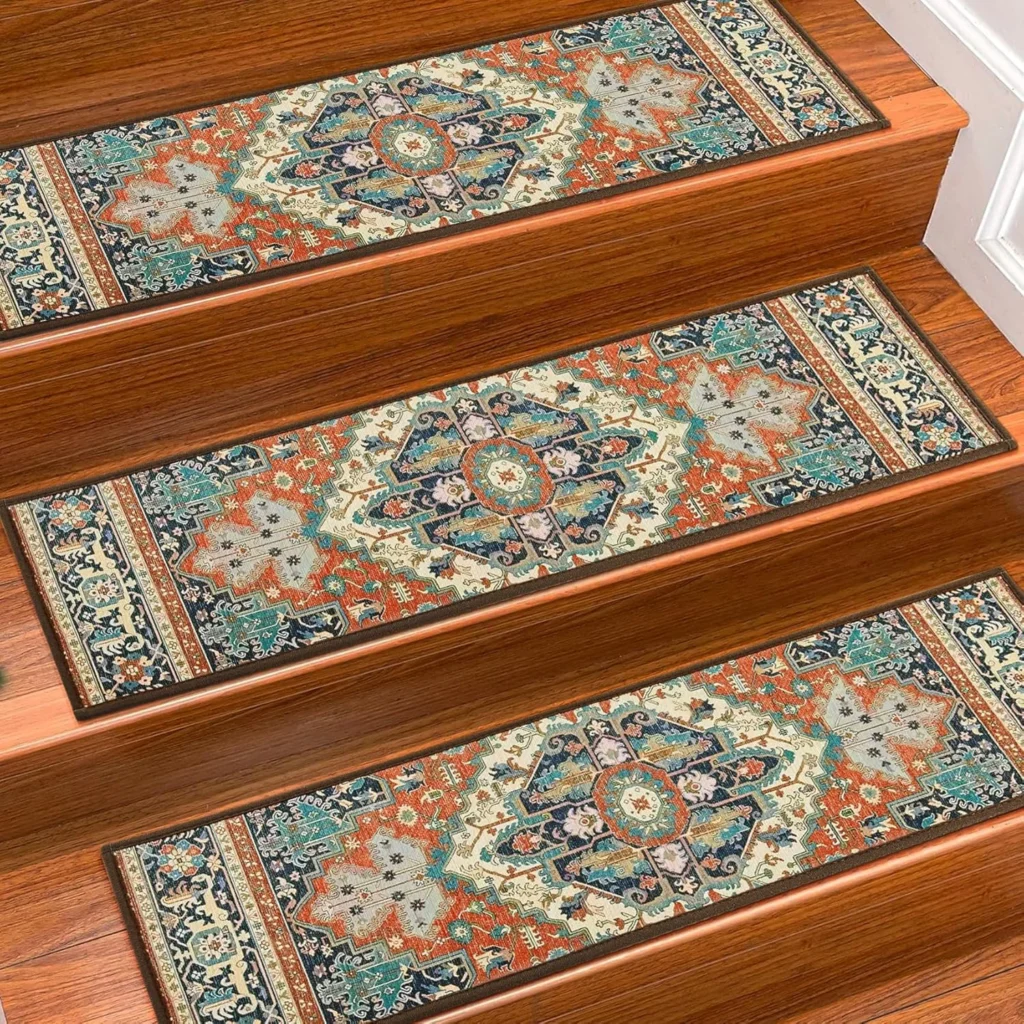

Stair Treads for Wooden Steps Indoor, 15 Pack 8″ X 30″ Non Slip Carpet Stair Treads with Reusable Adhesive for Kids Elders and Dogs, Surface Polyester TPR Backing Stair Rugs
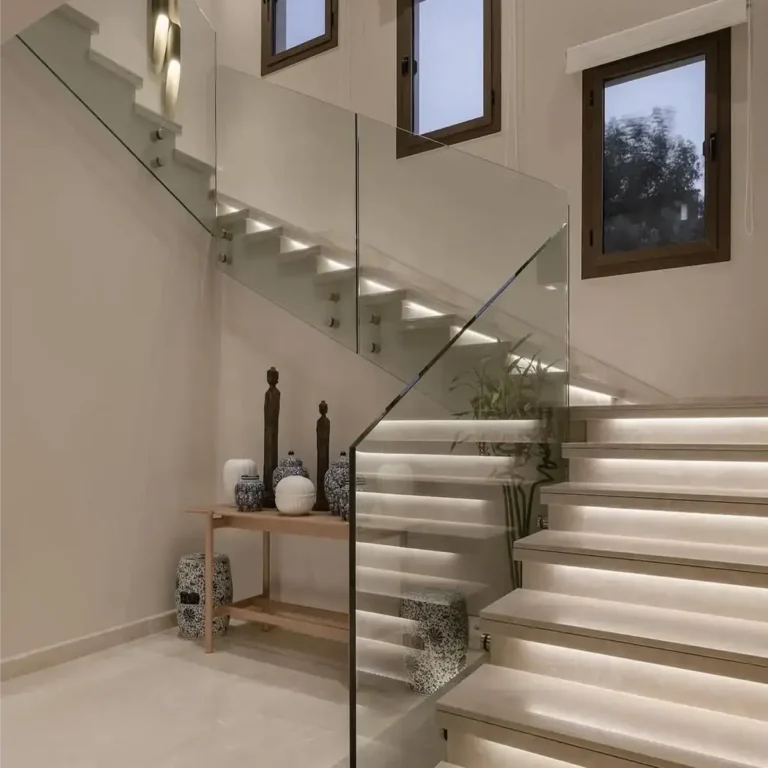
8. LED-Lit Staircase Design
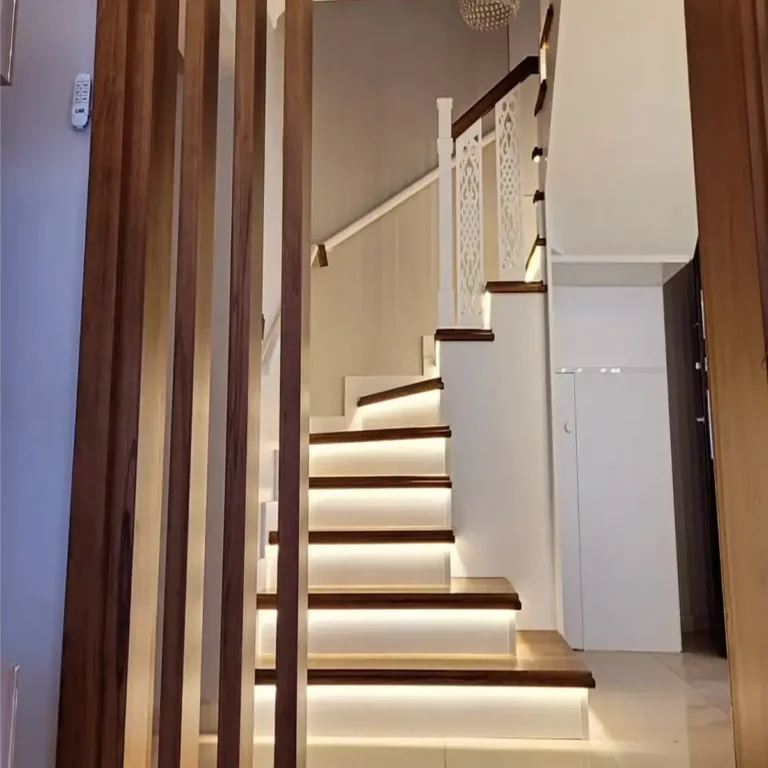
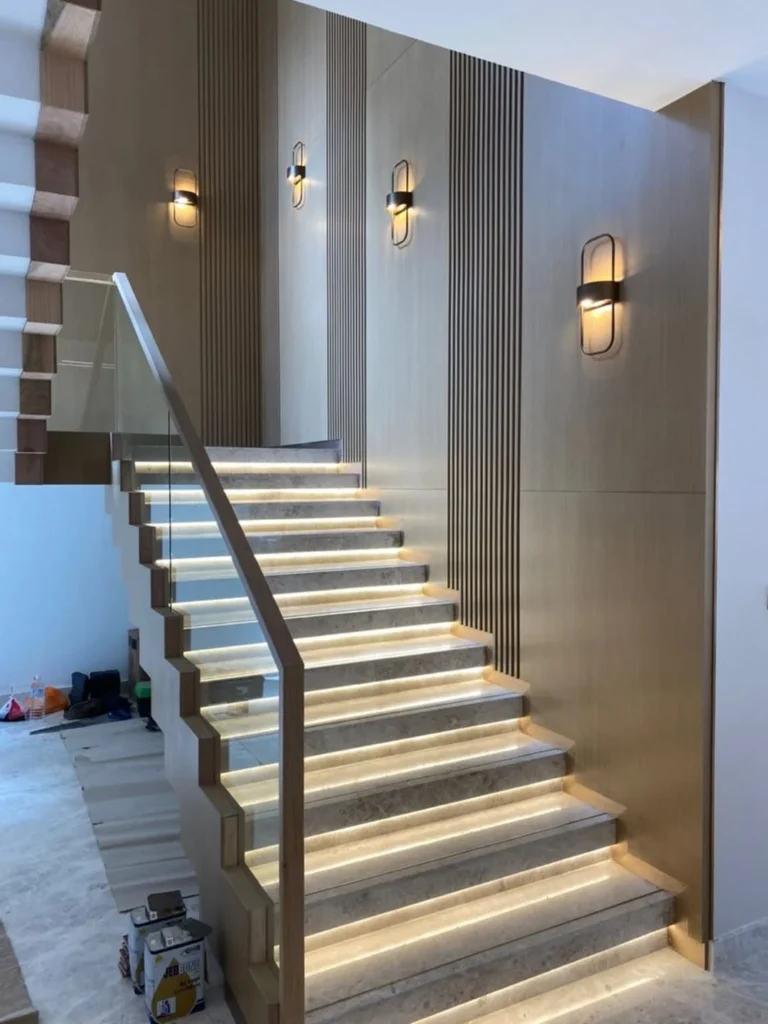
An LED-lit staircase design incorporates strip lighting along treads, risers, or handrails providing safety illumination and dramatic ambiance.
The functional lighting enhances nighttime safety while the glowing effect creates stunning visual impact transforming staircases into illuminated architectural features beyond simple circulation paths.

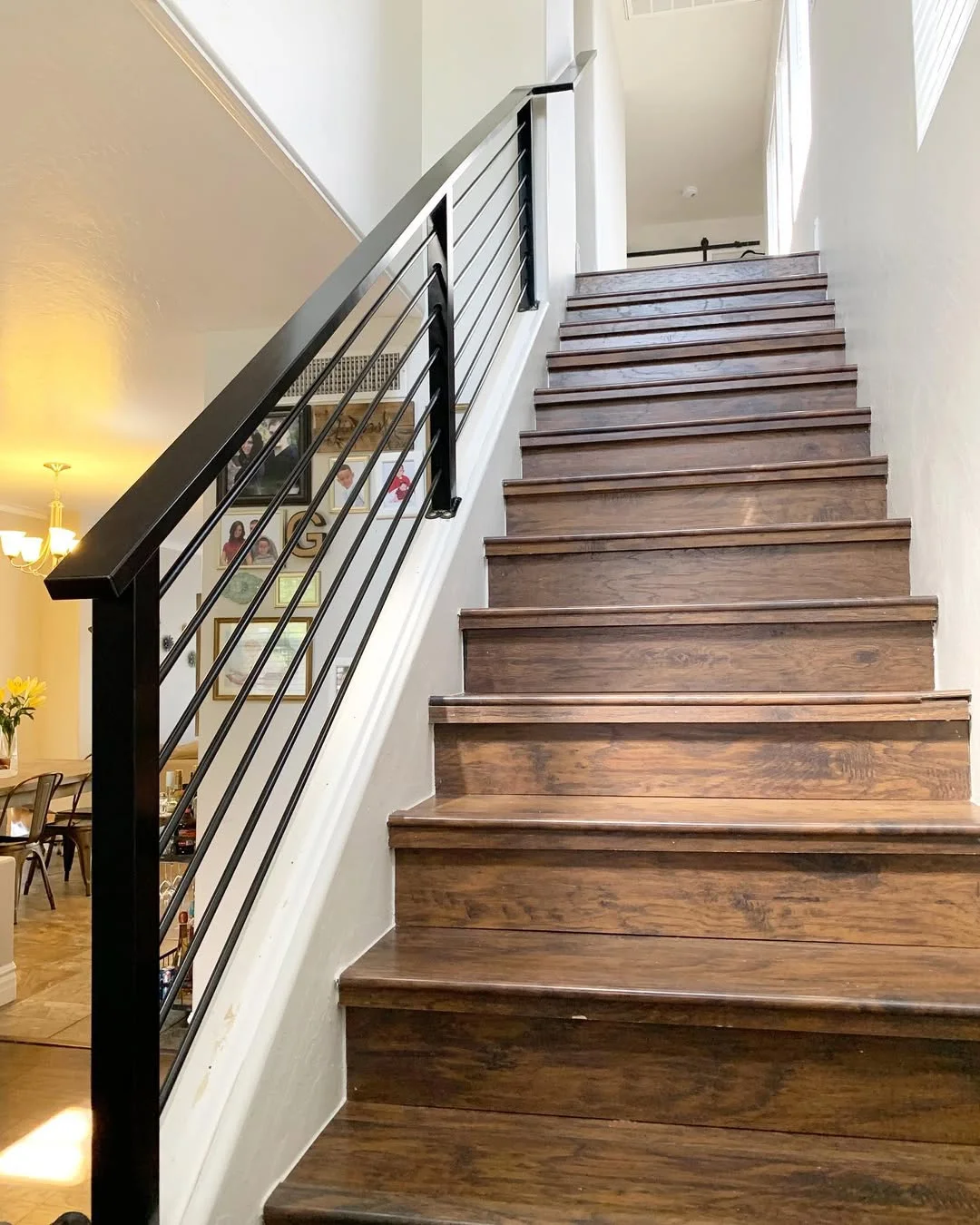
9. Black Metal Railing Staircase
A black metal railing staircase uses dark steel or iron balusters and handrails creating bold, contemporary contrast against lighter treads or walls.
The graphic approach adds modern edge while black metal’s versatility complements various design styles from industrial to transitional making it broadly appealing choice.

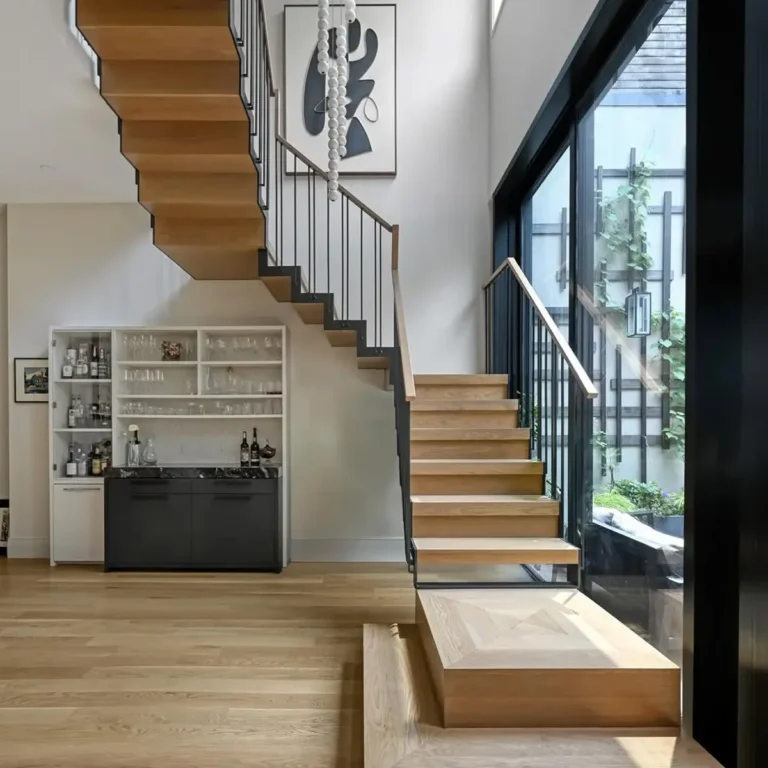
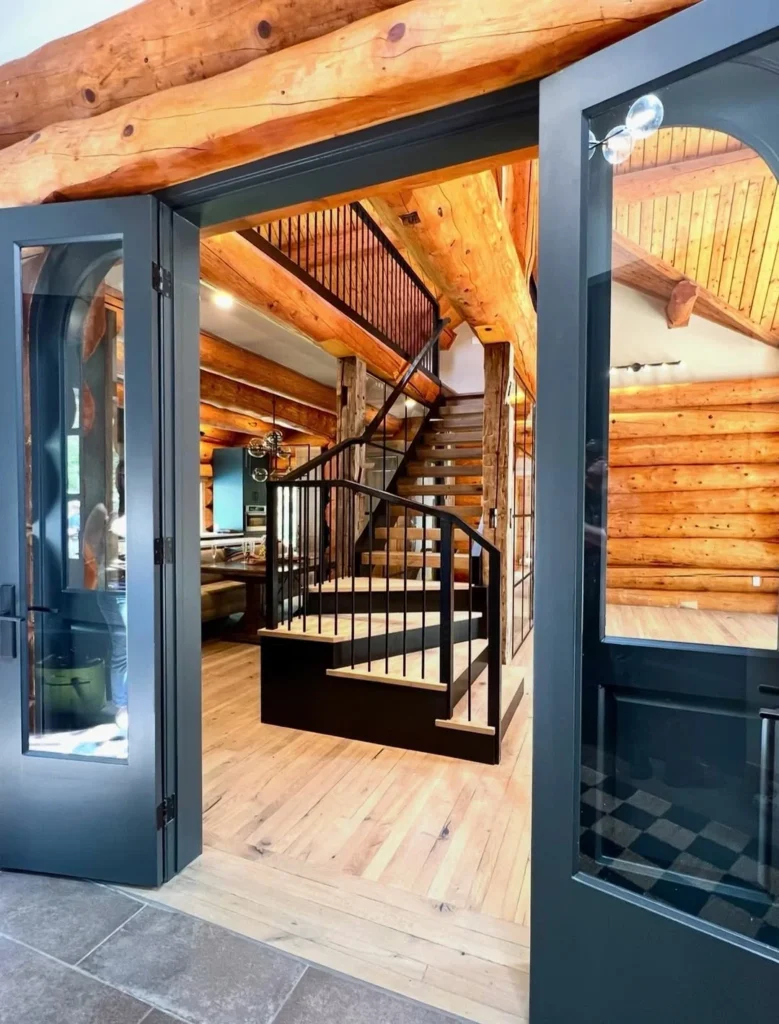
10. Wooden Treads with Metal Stringers
Wooden treads with metal stringers combine natural wood warmth with industrial metal structure creating mixed-material contemporary appeal.
The hybrid approach balances organic and manufactured elements while the exposed metal framework adds visual lightness compared to fully wooden staircase construction. For more hybrid and contemporary designs, explore Modern Bedroom Decor Ideas & Design Tips.

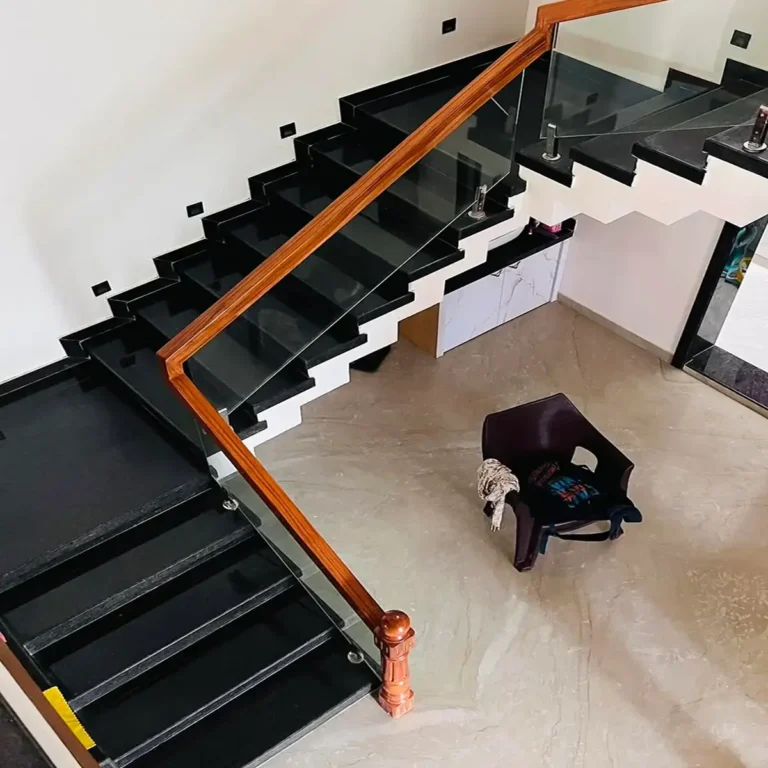
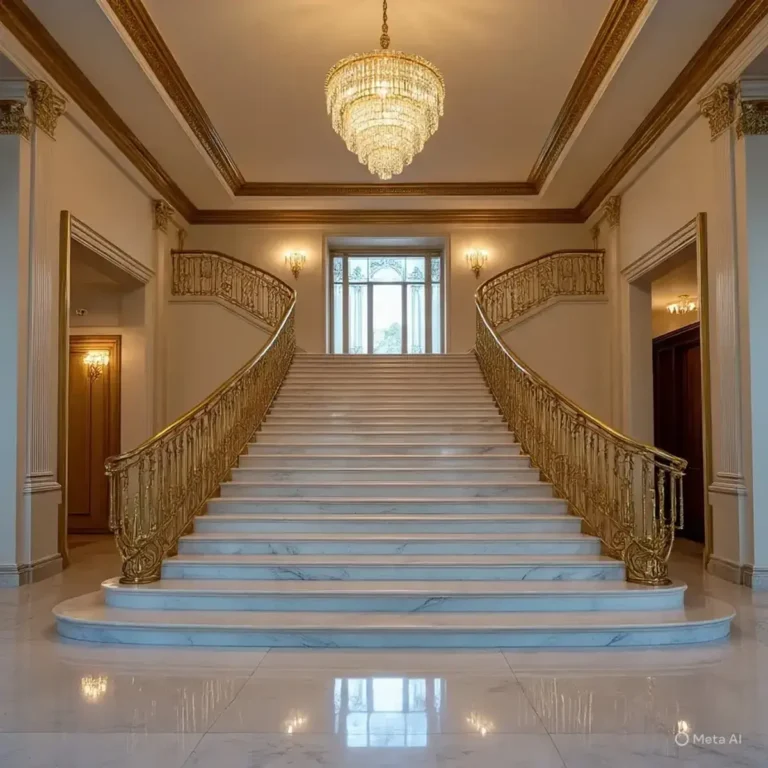
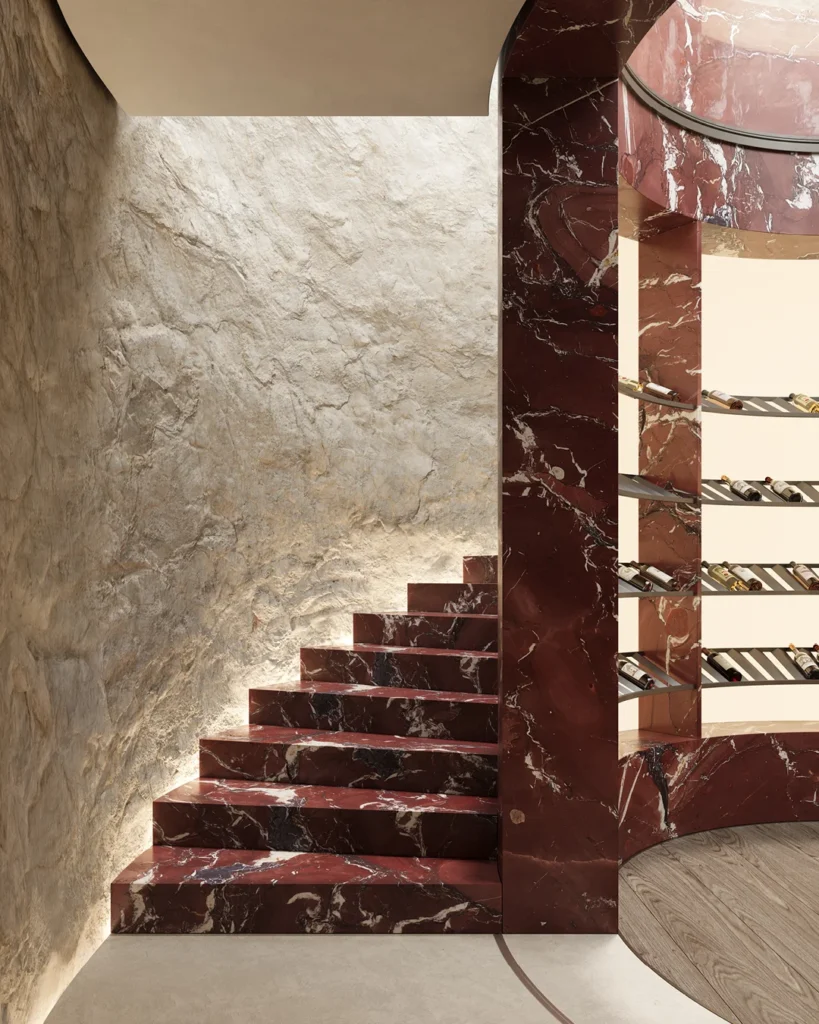
11. Luxury Marble Staircase
A luxury marble staircase uses premium stone creating elegant, timeless statements with natural veining and polished sophistication.
The high-end approach conveys wealth and permanence while marble’s cool beauty and durability justify the investment for homes prioritizing luxury materials and classical elegance.

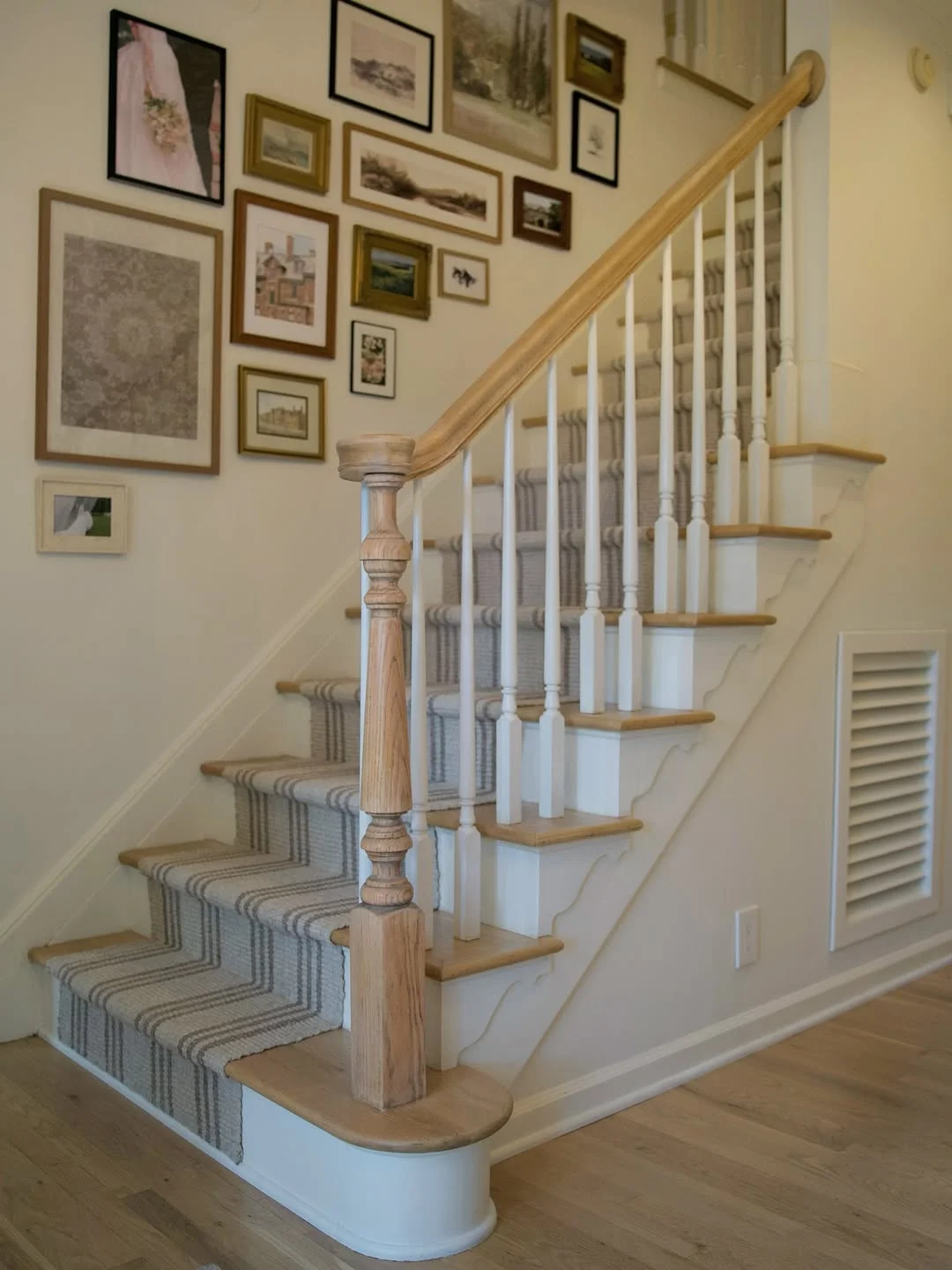
12. Budget-Friendly Wooden Staircase
A budget-friendly wooden staircase uses affordable lumber and simple construction techniques delivering functional stairs without premium costs.
The economical approach proves beautiful staircases don’t require expensive materials while the natural wood provides warmth and can be upgraded later with paint or stain.

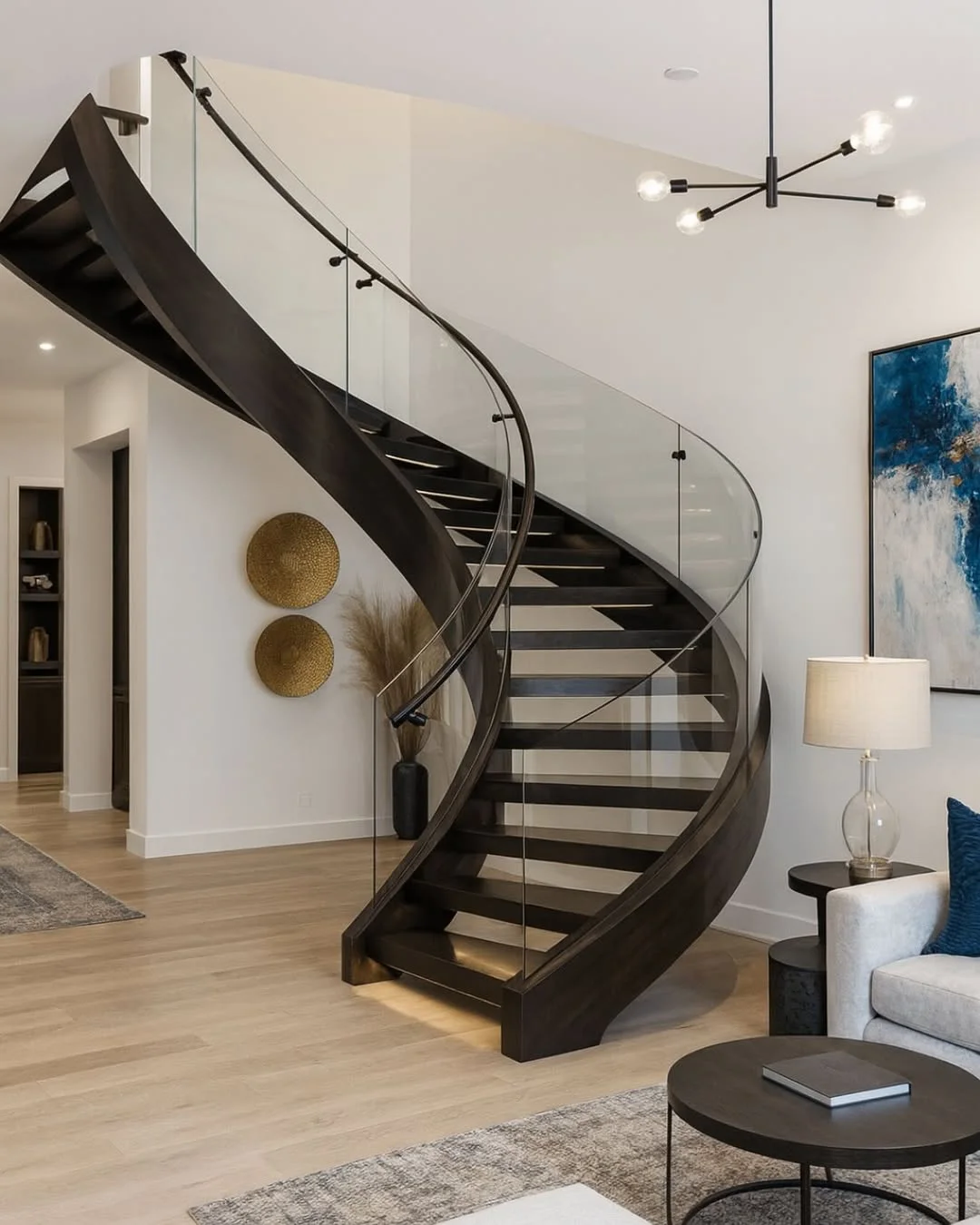
13. Curved Staircase Design
A curved staircase design features gracefully sweeping lines creating elegant, flowing architecture that serves as home focal points.
The sophisticated approach requires skilled construction while the dramatic curves add luxury and visual interest surpassing standard straight or angled staircase configurations.

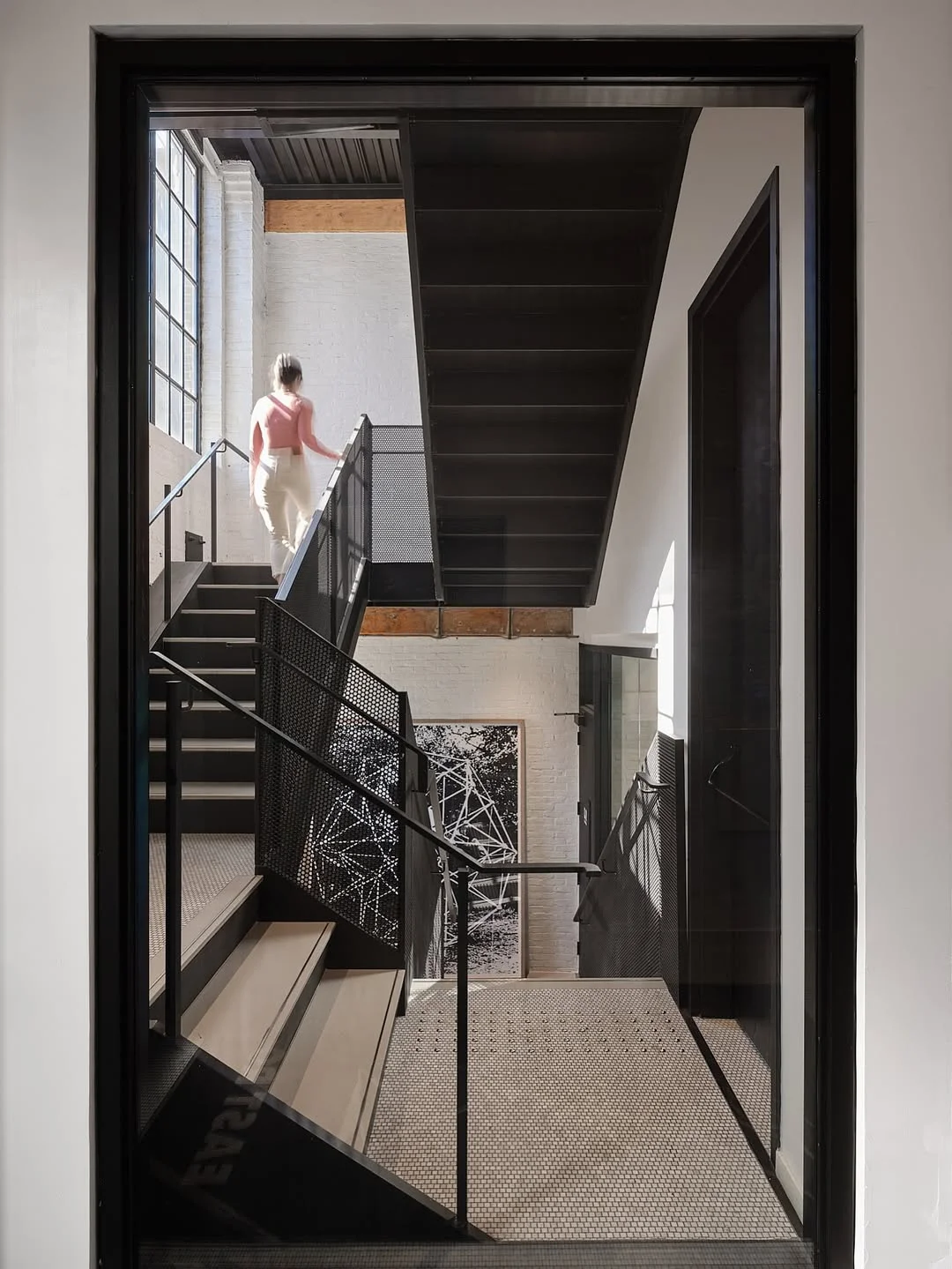
14. Industrial Style Staircase
An industrial style staircase exposes structural elements like metal frames and raw materials embracing utilitarian aesthetics with urban edge.
The deliberately unfinished approach suits loft conversions and modern homes while the honest construction celebrates function and materials without decorative concealment. To explore more industrial aesthetics, see Scandinavian Small Bedroom Decor.

Decor Pieces That Make a Difference
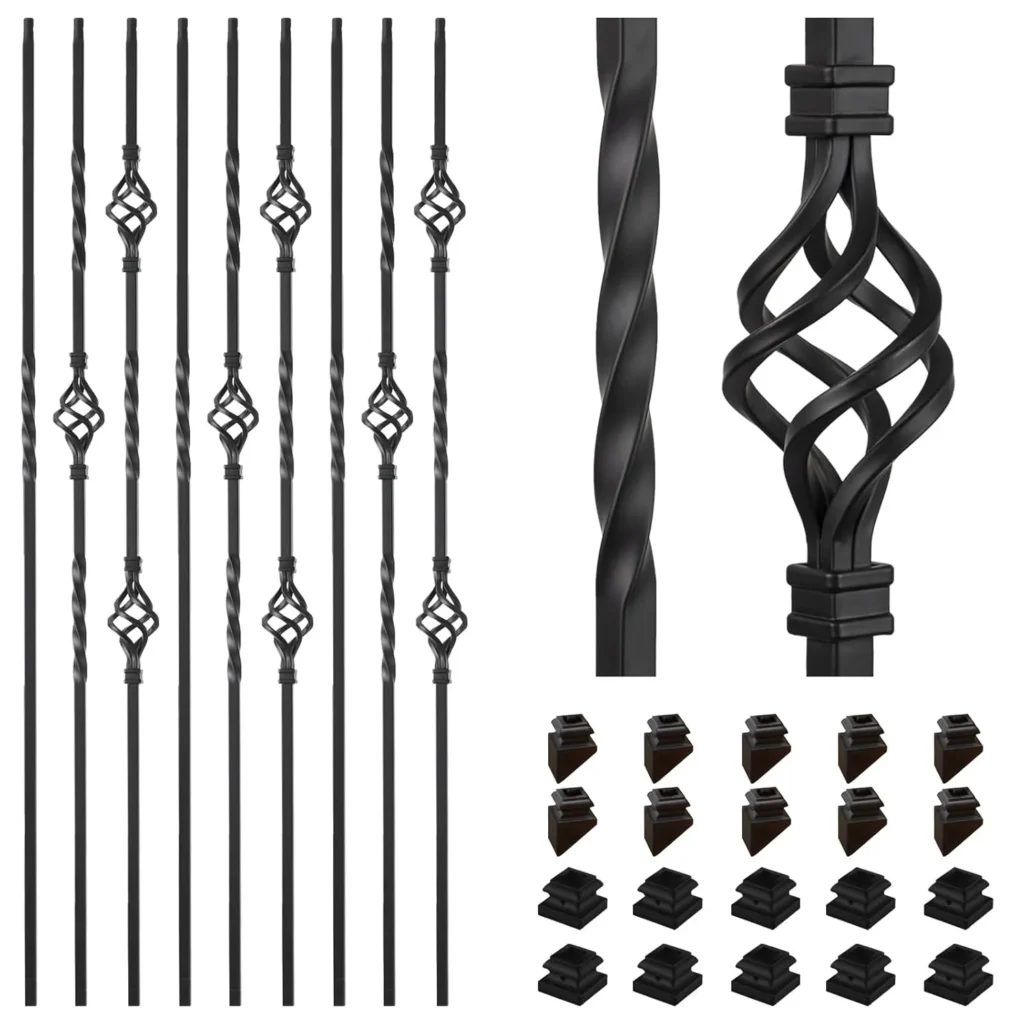

15 Pack Staircases Iron Balusters -1/2” Square Hollow Metal Spindles with Single Basket and Double Basket and Single Twist Design, Includes 15 Flat Shoes & 15 Angle Shoes
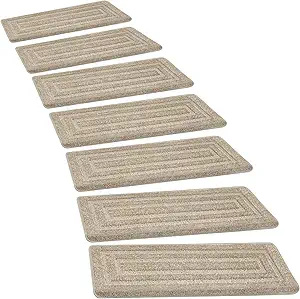

PURE ERA Bullnose Carpet Stair Treads Set Tape Free Non-Slip Indoor Stair Protectors Pet Friendly Rugs 9.5″ x 30″(14 Pieces,Cream Gray Rectangular)
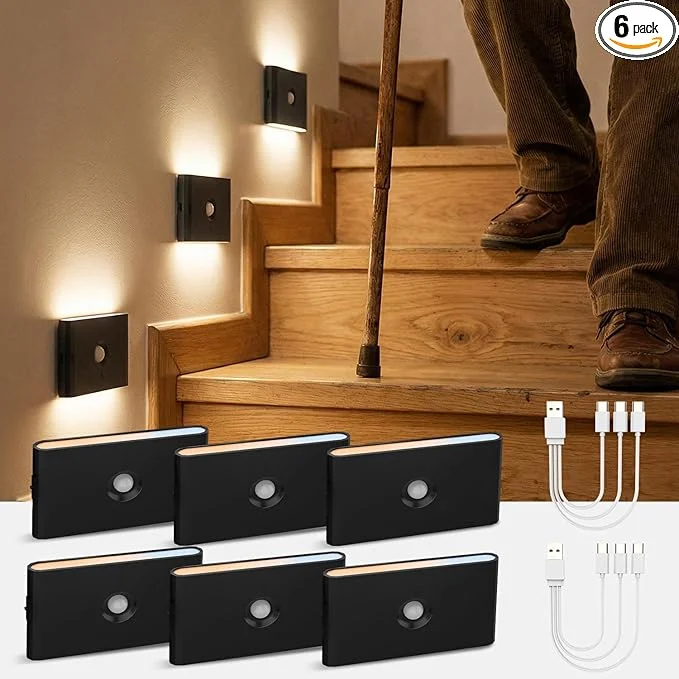

wowatt 6 Packs Rechargeable Motion Sensor Stair Light Black (Magnetic Mounting Design)(Sensor Modes Available)(Lighting Dimmable) Battery Night Lights for Stairway, Hallway, Bathroom
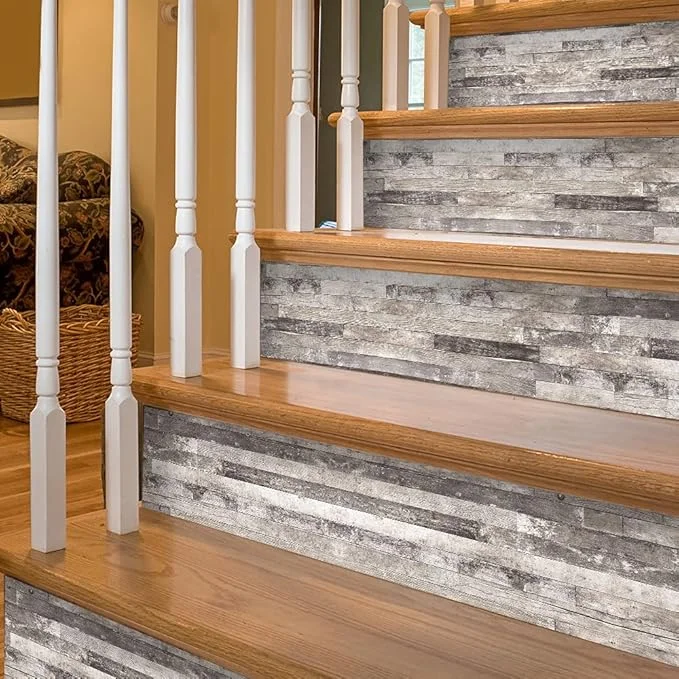

funlife 14 Strips Stair Risers Stickers, Peel and Stick Vinyl Staircase Sticker Decals Decor for Stair Steps, 39.37″x7.09″, Ash Grey Wood Grain
15. Space-Saving Staircase Ideas
Space-saving staircase ideas maximize vertical circulation in minimal footprints through alternating treads, steep pitches, or clever storage integration.
The efficient designs solve access challenges in tiny homes and compact spaces while proving staircases can be both functional and spatially economical.